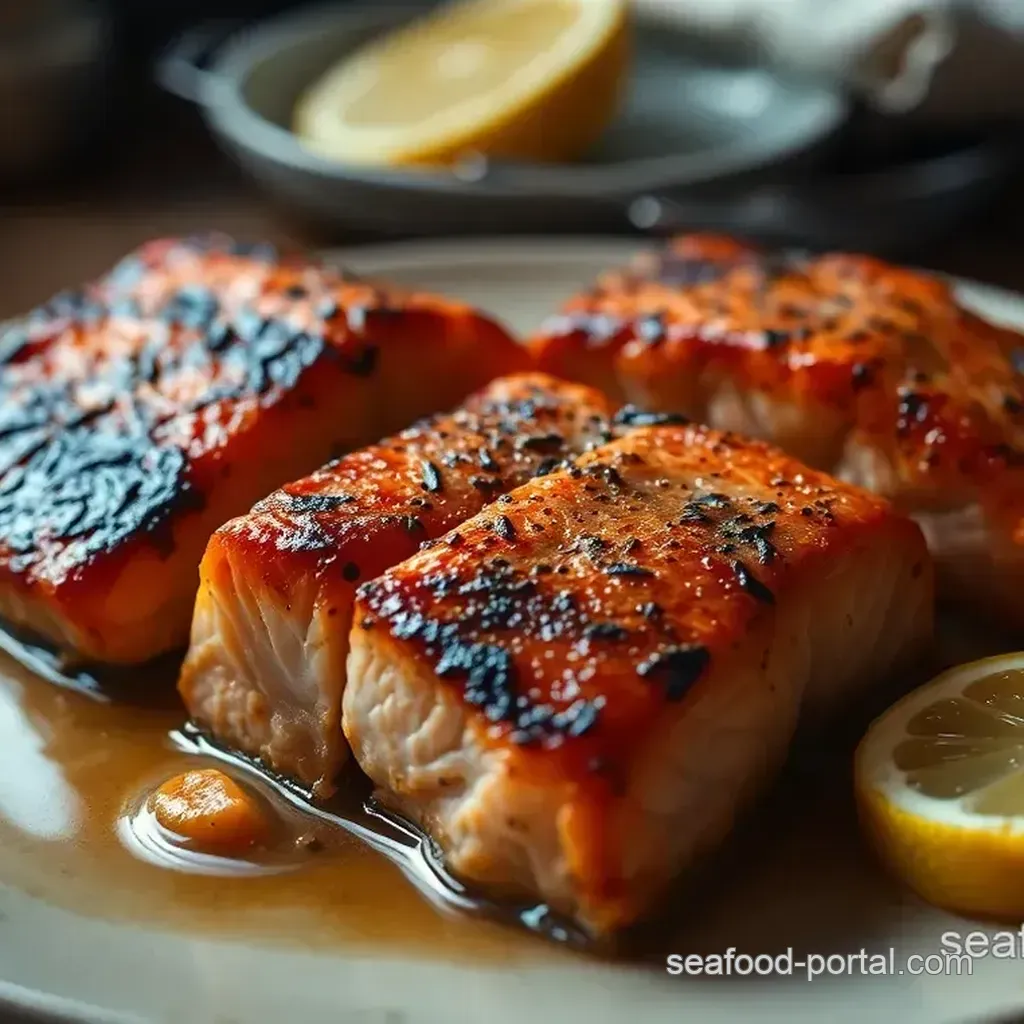
Grill Salmon Perfectly Every Time: Essential Prep & Temperature Tips
Few culinary experiences capture the essence of warm weather dining quite like a perfectly grilled salmon. Its rich, satisfying flavor, delicate texture, and incredible versatility make it a perennial favorite for seafood enthusiasts and backyard BBQ aficionados alike. Unlike more temperamental meats, salmon cooks relatively quickly and readily absorbs a variety of seasonings, making it an ideal choice for everything from speedy weeknight dinners to elegant special occasions.
While the idea of grilling fish might initially seem daunting, preparing salmon on a gas grill adds a layer of unparalleled convenience and control. Forget the long prep times and constant temperature monitoring associated with charcoal; gas grills offer precise heat adjustments in mere minutes. This potent combination of ease and exquisite flavor is precisely why so many home cooks are discovering the joy of mastering how to grill salmon.
This comprehensive guide will demystify the entire process, empowering you with the knowledge to select the finest fillets, prep them to perfection, master grilling techniques, confidently identify doneness, and serve a show-stopping dish. By the time you've finished, you'll be armed with the confidence to serve perfectly grilled salmon, every single time.
Choosing Your Champion Salmon: A Foundation for Flavor
The journey to perfect grilled salmon begins long before you even fire up the grill. Selecting the right piece of fish is fundamental to achieving exceptional flavor and texture.
Types of Salmon: What's Your Preference?
Each variety of salmon offers a unique profile, allowing you to tailor your choice to your taste and desired grilling outcome:
- King (Chinook): Revered for its incredibly rich, buttery flavor and highest fat content, King salmon remains exceptionally moist and succulent on the grill. It's often considered the most luxurious choice.
- Sockeye: Distinguished by its vibrant deep red color and bold, robust flavor. Sockeye is leaner than King but still holds up beautifully to grilling, offering a firmer texture.
- Coho: Presenting a milder flavor and medium-firm texture, Coho is a fantastic option if you prefer a lighter, more subtle salmon taste. It's wonderfully versatile for various seasonings.
- Atlantic: Primarily farm-raised, Atlantic salmon is widely available, consistently tender, and often more affordable. Its mild flavor makes it a versatile canvas for any seasoning or marinade.
Fresh vs. Frozen: Quality You Can Trust
- Fresh Salmon: When choosing fresh, always look for bright, moist, almost translucent flesh with no gaping or discoloration. It should have a clean, oceanic smell, not a strong "fishy" odor. If buying a whole fish or side, look for clear, bright eyes.
- Frozen Salmon: Don't dismiss frozen options, especially if you don't live near a coastal area. Advancements in flash-freezing technology mean high-quality frozen salmon can often be just as good, if not better, than "fresh" salmon that has traveled a long distance. The key is proper thawing: always thaw frozen salmon overnight in the refrigerator. For a quicker thaw, submerge the sealed package in cold water, changing the water every 30 minutes, but avoid hot water as it can start cooking the fish.
Skin-On vs. Skinless: The Protective Barrier
For grilling, skin-on salmon is highly recommended. The skin serves as a crucial protective barrier, preventing the delicate flesh from sticking to the hot grates and helping to retain moisture. As it cooks, the skin crisps up beautifully, adding a delightful textural contrast. While skinless fillets can be grilled, they are more prone to breaking apart. If using skinless, consider grilling them on a cedar plank or in a foil packet to provide support and minimize sticking. For a deeper dive into selecting the perfect cut, check out our guide on Unlock Flaky Grilled Salmon: From Choosing Fillets to Perfect Doneness.
Mastering the Prep: From Pat Dry to Perfect Seasoning
Proper preparation is paramount to ensure not only exquisite flavor but also to prevent common grilling pitfalls like sticking or drying out.
Cleaning and Drying: The Essential First Step
Before any seasoning touches your salmon, thoroughly pat it dry with paper towels. This step is critical for several reasons: it helps seasonings adhere better, prevents the fish from steaming instead of searing on the grill, and significantly reduces the chances of sticking. Excess moisture creates a barrier, hindering the development of that desirable crispy exterior and beautiful grill marks.
Seasoning & Marinades: Elevating the Flavor
Salmon's versatility shines through its ability to pair beautifully with both simple seasonings and more complex marinades. Here are some popular options:
- Classic Simplicity: A drizzle of good quality olive oil, a generous sprinkle of flaky sea salt, freshly ground black pepper, and a squeeze of fresh lemon juice or a sprinkle of lemon zest allows the salmon's natural flavor to be the star.
- Garlic-Herb Infusion: Minced garlic, fresh rosemary, thyme, and a brush of melted butter or olive oil create an aromatic and savory profile.
- Asian-Inspired Glaze: A blend of low-sodium soy sauce (or tamari), grated fresh ginger, a touch of sesame oil, and a hint of honey or maple syrup for sweetness offers a delicious umami-rich coating.
- Zesty Citrus-Herb: Fresh dill, parsley, bright lemon zest (or even orange zest), and a good olive oil bring a light, refreshing flavor.
When using marinades, aim for 15–30 minutes for optimal flavor absorption without compromising the fish's texture. Be cautious with acidic marinades (those heavy in citrus or vinegar); over-marinating can cause the delicate salmon flesh to break down, resulting in a mushy consistency.
Oil is Essential: The Non-Stick Secret
Before placing your salmon on the grill, liberally brush both sides of the fillet with a high-smoke-point oil (like canola, grapeseed, or avocado oil). This crucial step works in conjunction with a well-oiled grill grate to prevent sticking, ensures even cooking, and helps develop those coveted grill marks. Don't be shy with the oil; it's your best defense against a flaky mess.
The Heat is On: Preheating Your Grill for Success
The convenience of a gas grill makes this stage straightforward, but proper preparation is still the bedrock of perfect grilling.
- Preheat to Medium-High (375°F–400°F): This temperature range is ideal for salmon. It's hot enough to create a beautiful, crisp sear on the exterior while allowing the inside to cook through to juicy perfection without drying out. Giving your grill ample time to preheat (usually 10-15 minutes with the lid closed) ensures an even heat distribution across the grates.
- Clean the Grates: Always start with clean grates. Use a sturdy grill brush to remove any residual food particles from previous cooks while the grill is hot. This prevents sticking, imparts a cleaner flavor, and contributes to those appealing grill marks.
- Oil the Grates: After cleaning and just before placing the salmon, lightly oil the clean, hot grates. A common and safe method is to dip a folded paper towel in a high-smoke-point oil and, using long-handled tongs, carefully wipe down the grates. This double-layer of oil (on the fish and the grates) is your ultimate defense against sticking. For more advanced techniques on gas grilling, consider our detailed guide: Master Grilled Salmon: Your Gas Grill Guide to Perfect Fish.
Grilling Techniques & Temperature: Achieving Flaky Perfection
Now for the main event: learning precisely how to grill salmon to achieve that coveted flaky, moist result.
- Initial Placement: Skin-Side Down First: Always place your salmon fillets skin-side down on the hot, oiled grates. The skin provides a protective layer against the direct heat, allowing the fat in the skin to render and crisp up beautifully. This also sets the foundation for easy flipping.
- The "No Peek" Rule & The Single Flip: Resist the urge to constantly check and move the fish. Let it cook undisturbed for the initial phase. For an average 1-inch thick fillet, cook skin-side down for about 4-6 minutes. You'll know it's ready to flip when the skin easily releases from the grates without sticking, and you can see the flesh begin to turn opaque about halfway up the sides. Once it reaches this point, carefully flip it over using a wide, thin spatula.
- Finishing the Cook: Cook for another 3-5 minutes on the flesh side, or until it reaches your desired doneness. The total grilling time for a 1-inch thick fillet is typically 10-12 minutes. Adjust timing based on the thickness of your specific cut.
- Temperature Management: If you notice flare-ups, temporarily move the salmon to a cooler part of the grill or slightly reduce the heat of the burner directly underneath.
Knowing When It's Done: Doneness Cues
Determining when your salmon is perfectly cooked is crucial to avoid dry, overcooked fish. There are a few reliable indicators:
- Visual Check: The flesh will turn from translucent to opaque throughout.
- The Flake Test: Gently insert a fork into the thickest part of the fillet and twist. If it flakes easily, it's done. The very center may still appear slightly translucent, which is often preferred for maximum moisture.
- Internal Temperature (The Most Reliable): For absolute precision, use an instant-read thermometer. Insert it into the thickest part of the fillet, avoiding the bone if present. The USDA recommends an internal temperature of 145°F for salmon. Remember that fish will continue to cook slightly for a few minutes after being removed from the heat (carry-over cooking), so you might pull it off a few degrees shy of the target.
- Resting: Once cooked, transfer the salmon to a plate or cutting board, cover it loosely with foil, and let it rest for 5 minutes. This allows the juices to redistribute, ensuring a moist and flavorful result.
Serve your perfectly grilled salmon with a fresh squeeze of lemon, a sprinkle of fresh herbs like dill or parsley, or a light sauce such as a simple salsa verde or a creamy dill yogurt sauce. It pairs beautifully with roasted vegetables, a fresh green salad, or a light grain like quinoa.
Conclusion
Grilling salmon doesn't have to be an intimidating endeavor. By understanding the nuances of selection, mastering crucial preparation steps, and utilizing precise temperature control, you can consistently achieve a perfectly flaky, moist, and flavorful result. From choosing the right type of salmon and meticulously drying it, to applying the right seasonings and knowing exactly when to flip and when it's done, every step contributes to a stellar outcome. Embrace these tips and techniques, and you'll find yourself confidently grilling delicious salmon every time, making it a regular and celebrated addition to your culinary repertoire.
