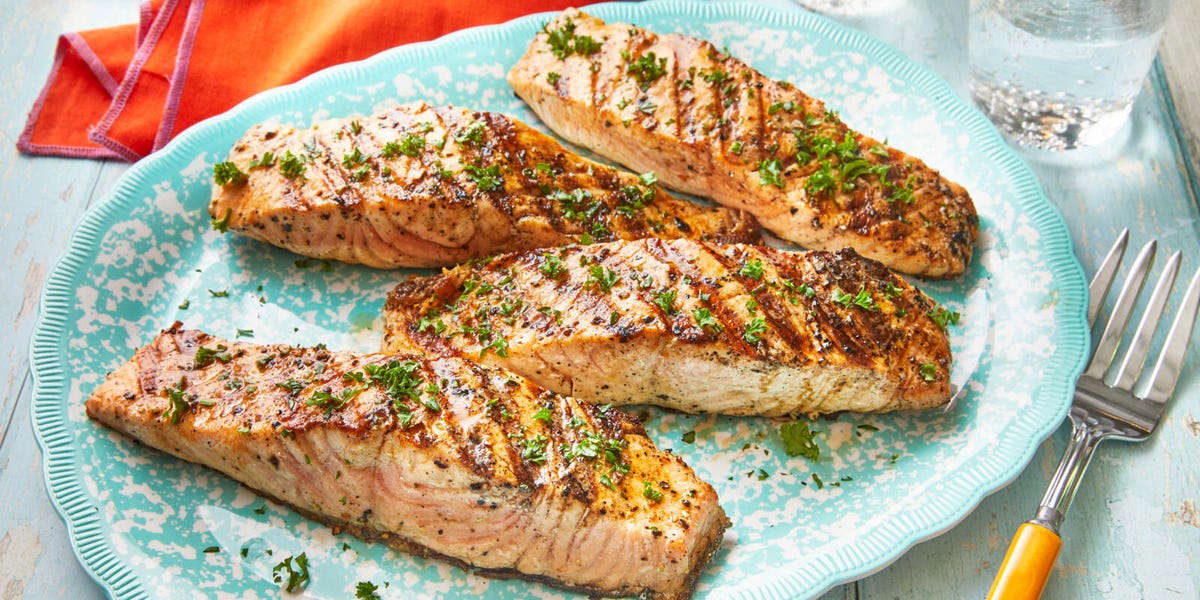
Master Grilled Salmon: Your Gas Grill Guide to Perfect Fish
Few culinary experiences capture the essence of summer quite like the sizzle and aroma of a perfectly grilled salmon. With its rich, delicate flavor and flaky texture, salmon has earned its place as a cherished favorite among seafood aficionados and grilling enthusiasts alike. Unlike heartier meats, salmon cooks quickly and beautifully absorbs seasonings, making it an ideal choice for both speedy weeknight meals and impressive special occasions.
For those aiming to master how to grill salmon with unparalleled ease and precision, a gas grill is your ultimate ally. Its distinct advantages—rapid preheating, consistent temperature control, and instant flame adjustments—simplify the grilling process, allowing you to focus on achieving that coveted crispy skin and tender, moist interior. This guide will walk you through every critical step, from selecting the finest fillet to mastering grilling techniques and knowing precisely when your fish is done. By the end, you'll unlock the secrets of how to grill salmon like a seasoned pro, ready to impress with every mouth-watering bite.
Choosing Your Perfect Salmon Fillet
The journey to perfectly grilled salmon begins long before you even fire up your grill. The quality and type of salmon you select will significantly influence the final taste and texture of your dish. Understanding the nuances of salmon varieties, whether to opt for fresh or frozen, and the benefits of skin-on fillets is the foundation of learning how to grill salmon perfectly.
Understanding Salmon Varieties
- King (Chinook) Salmon: Often considered the "gold standard" of salmon, King salmon boasts the highest fat content, translating to an exceptionally rich, buttery flavor and a silky, melt-in-your-mouth texture. Its natural oils make it incredibly forgiving on the grill, ensuring it stays moist and succulent.
- Sockeye Salmon: Easily identifiable by its vibrant deep red color, Sockeye salmon offers a bolder, more intense flavor. While leaner than King salmon, its firm texture holds up beautifully to grilling, providing a satisfying bite without compromising moisture.
- Coho Salmon: If you prefer a milder salmon flavor and a medium-firm texture, Coho is an excellent choice. It’s wonderfully versatile and pairs well with a wide range of seasonings, making it a great option for culinary experimentation.
- Atlantic Salmon: The most widely available and often more affordable option, Atlantic salmon is typically farm-raised. It features a mild flavor and tender flesh, offering consistent quality that performs reliably on the grill. Sustainable farming practices have also made it a responsible choice for many consumers.
Fresh vs. Frozen: Making the Right Choice
While fresh salmon often conjures images of peak quality, modern freezing techniques mean that high-quality frozen salmon can be an equally excellent, and sometimes superior, choice, particularly if you don't live near a coastal fishing region.
- Fresh Salmon: When selecting fresh salmon, always look for bright, moist, and firm flesh that springs back when gently pressed. The color should be vibrant (from pale pink to deep red, depending on the variety), and there should be no strong "fishy" odor—a clean, ocean-like scent is ideal. Always aim to grill fresh salmon within a day or two of purchase.
- Frozen Salmon: Many frozen salmon fillets are "flash-frozen" shortly after being caught, which effectively locks in their freshness, nutrients, and flavor. If using frozen, proper thawing is crucial. Transfer the salmon from the freezer to the refrigerator overnight (at least 8-12 hours) to allow it to thaw slowly and evenly. For a quicker thaw, place the sealed fillet in a bowl of cold water, changing the water every 30 minutes, until pliable.
The Skin-On Advantage
For grilling, skin-on salmon is highly recommended. The skin serves as a natural protective barrier between the delicate flesh and the hot grill grates, significantly reducing the risk of sticking and helping the fillet maintain its shape. Moreover, the skin helps to retain moisture, resulting in a juicier piece of fish. When cooked correctly, the skin can crisp up beautifully, adding a delightful textural contrast. While skinless fillets can be grilled, they are more prone to breaking apart and sticking, often requiring the use of foil or a cedar plank for best results.
Preparing Salmon for the Grill: The Foundation of Flavor
Even the finest salmon fillet needs proper preparation to transform into a grilled masterpiece. Mastering how to grill salmon means paying attention to these crucial steps that prevent sticking, ensure even cooking, and infuse your fish with incredible flavor.
The Importance of Drying
This simple yet critical step is often overlooked. Before seasoning, gently but thoroughly pat your salmon fillets dry with paper towels. Removing excess surface moisture is paramount for several reasons: it promotes crispy skin, allows for a better sear and more attractive grill marks, and prevents the salmon from steaming rather than grilling. Furthermore, dry surfaces allow seasonings to adhere more effectively, creating a more flavorful crust.
Seasoning Salmon: From Simple to Sophisticated
Salmon's versatile flavor profile makes it a fantastic canvas for a wide array of seasonings and marinades. Whether you prefer a minimalist approach or a bold flavor fusion, the right seasoning enhances the fish's natural deliciousness.
- Classic Simplicity: A drizzle of good quality olive oil, generous flakes of sea salt, freshly cracked black pepper, and a squeeze of fresh lemon juice is a timeless combination that truly highlights salmon's inherent flavor.
- Garlic-Herb Delight: Minced garlic, finely chopped fresh rosemary and thyme, mixed with melted butter or olive oil, creates an aromatic and comforting profile.
- Asian-Inspired Glaze: A quick marinade of low-sodium soy sauce, grated fresh ginger, a touch of sesame oil, and a hint of honey or maple syrup delivers a delightful sweet and savory balance.
- Citrus-Herb Freshness: Fresh dill, chopped parsley, lemon zest, and olive oil create a bright, herbaceous coating that beautifully complements the richness of the salmon.
If you opt for a marinade, keep the marinating time relatively short, typically 15-30 minutes. Over-marinating, especially with acidic ingredients like citrus juice or vinegar, can begin to "cook" and break down the delicate salmon flesh, leading to a mushy texture.
The Oil Barrier: Preventing Stickage
Oil is your best friend when it comes to preventing salmon from adhering to the grill grates. Brush both sides of your salmon fillets lightly with a high-smoke-point oil (such as canola, grapeseed, or avocado oil). This creates a protective barrier and helps in achieving those desirable char marks. Additionally, it's equally important to brush your preheated and clean grill grates with oil right before placing the salmon down.
Mastering Your Gas Grill for Salmon Perfection
A gas grill offers incredible control, making the process of how to grill salmon surprisingly straightforward. However, a few key preparation steps ensure optimal performance and flawless results.
Optimal Temperature Settings
Preheat your gas grill to a medium-high temperature, aiming for 375°F–400°F (190°C–205°C). This temperature range is ideal because it's hot enough to create a beautiful, crispy sear on the outside while allowing the inside to cook through gently and evenly, keeping the flesh moist and tender. Always use a reliable grill thermometer, as the built-in lid thermometer might not always reflect the actual grate temperature accurately.
Clean Grates are Non-Negotiable
Before you even think about placing your salmon on the grill, ensure your grates are impeccably clean. Preheat the grill fully, then use a sturdy wire brush to scrape off any lingering food particles. Clean grates are essential for preventing sticking, promoting proper heat transfer, and ensuring your salmon picks up delicious, unadulterated grilled flavor.
Direct vs. Indirect Heat for Salmon
While most salmon grilling happens over direct heat, understanding the difference can elevate your technique. For most fillets, you'll start with direct heat to achieve a fantastic sear and crispy skin. However, for exceptionally thick cuts (over 1.5 inches) or if your salmon is browning too quickly, having an area of indirect heat (where burners are off or on low) allows you to finish cooking gently, preventing the exterior from burning while the interior catches up.
Grilling Techniques and Doneness Cues
With your grill perfectly prepped and your salmon seasoned, it's time for the main event. Mastering the art of grilling salmon involves understanding placement, timing, and knowing exactly when your fish has reached its peak of perfection.
The Flip and Grill Mark Magic
Carefully place your salmon fillets, skin-side down, directly over the medium-high heat. Close the lid to allow the heat to circulate. Resist the urge to move or peek at the salmon for the first 5-7 minutes. During this time, the skin will crisp up and naturally release from the grates. When it's ready, the salmon will lift easily without sticking. If it resists, give it another minute or two. Once released, use a wide, thin spatula to gently flip the fillets. Continue grilling on the flesh side for another 3-5 minutes, depending on thickness, until cooked through.
Knowing When It's Done: The Flake Test and Temperature
The biggest challenge when learning how to grill salmon is knowing when it’s perfectly cooked. Overcooked salmon quickly turns dry and rubbery. Look for these indicators:
- Visual Cues: The flesh should turn opaque throughout. As it approaches doneness, the white albumin (a protein) may start to appear on the surface; this is normal.
- The Flake Test: Gently insert a fork or the tip of a knife into the thickest part of the fillet. Perfectly cooked salmon will flake easily, but still retain a slightly translucent, moist center (especially if you prefer medium-rare).
- Internal Temperature: For the most accurate assessment, use an instant-read meat thermometer inserted into the thickest part of the fillet. The U.S. FDA recommends an internal temperature of 145°F (63°C) for salmon. Remember that salmon will continue to cook slightly after it's removed from the grill due to carryover heat, so removing it at 140°F (60°C) often yields perfect results. To master this, learn more about Unlocking Flaky Grilled Salmon: From Choosing Fillets to Perfect Doneness.
Resting Your Salmon
Just like with steak, a short resting period is beneficial for grilled salmon. Once removed from the grill, transfer the fillets to a plate or cutting board and loosely tent them with foil for 5 minutes. This allows the juices to redistribute throughout the flesh, resulting in a more tender and flavorful piece of fish.
Conclusion
Grilling salmon on a gas grill is an incredibly rewarding experience that offers both convenience and culinary satisfaction. By focusing on selecting the right fillet, preparing it meticulously, and understanding the nuances of your grill's heat, you can consistently achieve salmon that is beautifully seared, wonderfully flaky, and bursting with flavor. With these comprehensive tips and techniques, you are now equipped to confidently answer the question of how to grill salmon perfectly every single time. So fire up your grill, embrace the sizzle, and savor the undeniable joy of masterfully grilled salmon.
